Introduction
In modern manufacturing, metal fabrication, foundry operations, aerospace engineering, and surface treatment industries, achieving the optimal surface finish is a critical step that dictates the quality, structural integrity, durability, and performance of the final product. Whether you are preparing a raw metal surface for high-performance industrial painting, removing stubborn mill scale, descaling hot-forged parts, deburring complex machined components, or introducing compressive residual stress to enhance fatigue life through shot peening, surface preparation is an absolute necessity. Among the various mechanical technologies available for this demanding purpose, the shot blasting machine stands out indisputably as the global industry standard for sheer efficiency, operational consistency, and remarkable versatility.
A shot blasting machine operates on a robust mechanical principle, forcefully propelling abrasive media at exceptionally high velocities against a target workpiece surface to clean, strengthen, roughen, or polish it. However, selecting the right machine is far from a simplistic, one-size-fits-all decision. The modern industrial market offers a vast array of machine configurations, chamber sizes, power ratings, and automation levels, each meticulously engineered for specific applications, varying production volumes, and diverse component geometries. Making an ill-informed or incorrect choice can lead to severe bottlenecks in your production line, excessive operational costs, inadequate surface finishes that fail quality inspections, and premature equipment wear that disrupts business continuity.
This comprehensive guide explores the essential factors, technical specifications, and strategic evaluations you must consider when choosing the right shot blasting machine for your unique industrial needs, ensuring that your capital investment maximizes productivity, minimizes downtime, and delivers sustainable long-term value.
1. Understanding Your Workpiece Characteristics and Production Volume
The foundational step in selecting any heavy industrial equipment lies in conducting a thorough, data-driven analysis of the materials you process and the volume of production you intend to handle. When evaluating a potential shot blasting machine, the physical characteristics and metallurgical properties of your workpieces will dictate the overall engineering design, structural strength, and functional capability of the system.
Material Composition, Hardness, and Fragility
Different metals and alloys react uniquely to abrasive impacts. Softer non-ferrous metals like aluminum, brass, or zinc die-castings require careful media selection and controlled blast intensities to avoid surface pitting or structural distortion. In contrast, hardened tool steels, high-strength alloy steels, and heavy cast iron components demand aggressive media and higher impact forces to achieve the desired cleaning or etching results. Furthermore, the physical dimensions, structural mass, and overall fragility of your components are critical. Large structural steel beams, massive welded chassis, small delicate threaded fasteners, and fragile automotive transmission housings each demand entirely different internal material handling systems within the shot blasting machine to prevent damage while ensuring uniform treatment.
Production Volume, Flow, and Batch Requirements
Your manufacturing workflow-whether it is high-volume mass production, flexible job-shop custom manufacturing, or continuous inline processing-determines the optimal operational mode of the shot blasting machine. If your facility processes thousands of identical, robust small parts daily, a continuous-feed or heavy-duty tumble-belt shot blasting machine is the ideal choice to maximize throughput. Conversely, if your facility handles infrequent, oversized, or extremely heavy components that cannot be bundled together, a stationary table-type or overhead hook-type batch shot blasting machine will better suit your operational rhythm. Aligning the machine's throughput capacity with your exact production targets prevents both underutilization of capital and severe operational bottlenecks that stall downstream assembly lines.
2. Choosing the Right Machine Configuration and Design Type
Once you have defined your workpiece characteristics and production volume requirements, the next vital step is to evaluate the various machine configurations available in the commercial market. Manufacturers design distinct architectural styles of the shot blasting machine to optimize material handling efficiency for specific shapes, weights, and sizes.
Tumble Blast Machines
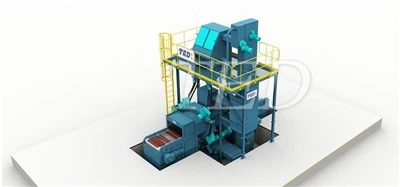
Tumble blast systems are universally recognized as the rugged workhorses for small to medium-sized components that can withstand a gentle tumbling action without sustaining mechanical damage. In this specialized type of shot blasting machine, parts are loaded into an endless heavy-duty rubber or manganese steel slat belt that continuously turns the components over while they are directly exposed to the high-speed abrasive blast stream. This tumbling action ensures uniform, 360-degree coverage across all complex sides of random-shaped forgings, gray iron castings, and stamped metal parts.
Table Blast Machines
For delicate, structurally complex, or heavy parts that cannot be tumbled against one another due to the risk of surface scratching or breakage, a table-type shot blasting machine is the premier choice. Components are strategically placed on a rotating horizontal manganese table that carries them smoothly into the enclosed blast zone. These machines offer excellent visual accessibility, easy loading and unloading ergonomics, and exceptionally gentle handling, making them exceptionally popular in precision engineering workshops, aerospace facilities, and specialized foundries.
Hanger and Spinner-Hanger Machines
When dealing with long, awkward, fragile, or high-value components that require intensive cleaning, deburring, or descaling from all challenging angles, overhead hook or hanger systems excel. Workpieces are securely hung on rotating hooks or fixtures that travel along an automated overhead monorail system directly into the blast cabinet of the shot blasting machine. Advanced multi-station spinner-hanger designs allow operators to load, blast, and unload parts simultaneously at different stations, significantly boosting labor efficiency and reducing cycle times.
Roller Conveyor and Strip Blast Machines
For structural steel profiles, heavy steel plates, seamless pipes, tubes, and wide-flange beams, continuous roller conveyor systems are indispensable. In this industrial variant of the shot blasting machine, long structural profiles pass horizontally on driven, wear-resistant roller tables through a sealed blast chamber equipped with strategically positioned high-performance blast wheels. This continuous setup provides rapid, uniform descaling, rust removal, and surface profile generation for heavy structural fabrication yards and shipyards.
3. Evaluating Abrasive Blast Wheels and Blasting Power
The mechanical heart of any modern centrifugal shot blasting machine is the blast wheel assembly. The blast wheel is responsible for converting electrical and mechanical energy into kinetic energy, throwing millions of abrasive media particles at high speeds toward the target workpiece surface. Evaluating the power rating, number, rotational speed, and precise placement of these wheels is crucial for determining the overall performance and efficiency of the machine.
Wheel Horsepower and Throwing Capacity
The electric motor horsepower driving the blast wheels dictates both the velocity and the volume of abrasive delivered per minute. Higher horsepower wheels generate greater abrasive velocities, which are fundamentally necessary for deep cleaning, heavy foundry scale removal, or achieving specific surface profile depth requirements for industrial coatings. However, deploying excessive power on delicate or thin-walled parts can cause severe metal distortion or surface erosion. Therefore, striking the right balance in wheel power for your specific application is paramount.
Wheel Positioning, Blade Design, and Coverage
A well-engineered shot blasting machine features blast wheels strategically positioned around the cabinet periphery to ensure complete, multi-directional coverage of the workpiece without creating blind spots or shadowed areas. Advanced computer-aided design (CAD) and simulation software are frequently utilized by leading manufacturers to optimize wheel angles and blast patterns. Ensuring proper, overlapping coverage minimizes the need for secondary manual touch-ups and guarantees consistent, repeatable quality across every production batch.
4. Abrasive Media Selection and Reclamation Systems
The choice of abrasive media directly impacts surface finish quality, processing speed, cleaning efficiency, and overall operating costs. A high-performance shot blasting machine must be paired with the correct media-such as high-carbon cast steel shot, angular steel grit, conditioned cut wire, or specialized ceramic beads-and equipped with an efficient, closed-loop abrasive recycling and cleaning system.
Abrasive Compatibility and Wear Resistance
Steel shot is generally used for shot peening and general cleaning, imparting a smooth, beneficial compressive stress layer to the metal surface that enhances fatigue resistance. Steel grit, with its sharp, angular edges, is vastly superior for aggressive etching, heavy rust removal, and preparing metal surfaces for optimal paint and coating adhesion. Your chosen shot blasting machine must be constructed with premium wear-resistant materials, such as high-chrome alloy liners, forged blades, and heat-treated control cages, that can withstand the abrasive nature of the media without rapid structural degradation.
Media Reclamation, Air Wash, and Dust Collection
During continuous operation, abrasive media inevitably breaks down into smaller, ineffective particles, and workpieces shed heavy scale, rust, welding slag, and dirt contaminants. An exceptional shot blasting machine incorporates a robust, multi-stage separation system-typically utilizing air wash separators, magnetic drums, and vibrating screens-to continuously filter out unusable dust, fines, and debris while retaining and cleaning reusable abrasive media. Coupled with a high-capacity industrial dust collector, this system ensures a safe, clean working environment, protects internal mechanical components from abrasive wear, and maintains strict compliance with environmental air quality regulations.
5. Maintenance, Safety, and Total Cost of Ownership
Purchasing heavy industrial capital equipment involves looking far beyond the initial purchase price tag. When investing in a modern shot blasting machine, evaluating long-term maintenance requirements, operational safety protocols, spare parts availability, and the total cost of ownership (TCO) will safeguard your financial investment and ensure long-term profitability.
Wear Parts Accessibility and Modular Maintenance
By its very nature, abrasive blasting creates a harsh internal operating environment where internal components are subjected to continuous high-speed impact, abrasion, and friction. High-wear areas, such as blast wheel blades, control cages, impeller units, and cabinet protective armor liners, will eventually experience wear and require periodic replacement. A superior shot blasting machine design features modular, easily accessible wear parts that allow maintenance personnel to perform routine inspections and fast component replacements, minimizing costly equipment downtime.
Safety Features, Automation, and Industry Integration
Industrial workplace safety is absolute and non-negotiable. Modern systems incorporate advanced interlocking safety switches that prevent blast wheels from spinning if access doors are open or if maintenance locks are engaged. Furthermore, effective sound-attenuation measures are crucial to keep operational noise levels within regulatory occupational limits. As modern manufacturing shifts toward Industry 4.0 smart factory standards, integrating automation, programmable logic controllers (PLCs), touch-screen human-machine interfaces (HMIs), and diagnostic sensors into your shot blasting machine allows operators to monitor real-time wear, track cycle times, schedule maintenance proactively, and optimize overall plant efficiency.
Conclusion
Selecting the right shot blasting machine is a strategic, mission-critical decision that profoundly influences your manufacturing productivity, product quality, operational safety, and bottom-line profitability. By carefully analyzing your workpiece characteristics, production volumes, machine configurations, blast wheel power, abrasive management systems, and long-term maintenance needs, you can cut through the complexity of the industrial equipment market. Investing time upfront in precise technical specification ensures that your chosen shot blasting machine delivers reliable, cost-effective, and superior surface preparation performance for many years to come.